Your oldest system still turns on every morning. So it feels free. It isn't.
Here's the trick old software plays on you. A broken thing screams and you fix it fast. But an old thing that still works says nothing. It just quietly costs you more every year — in slowness, in risk, in every new thing you can't build because this one is in the way.
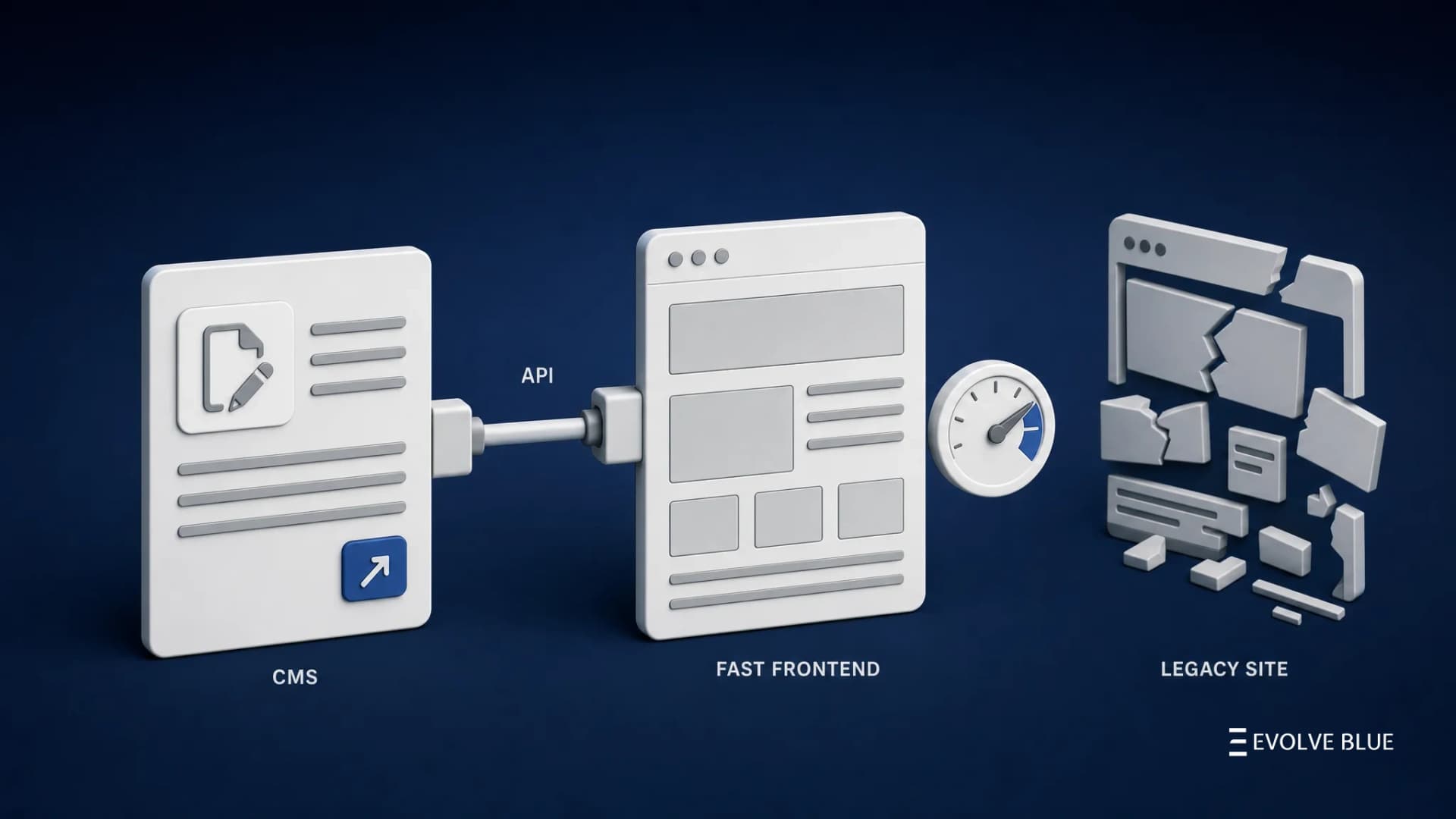
That cost never shows up as one big bill. It shows up as weeks instead of days. As two people who understand the system and are afraid to touch it. As tape holding new tools to old plumbing. That's not a technology problem. That's a strategy problem.
The money hides in places you stopped looking
Legacy cost rarely appears in a single line item. It spreads across the organization in small, familiar shapes: a change request that takes six weeks because only one person knows the system. A new vendor that can't integrate because the old system won't share data cleanly. A report that requires two people to manually reconcile before anyone trusts it.
None of those feel like a crisis. They feel like normal. And that's exactly what makes legacy cost so dangerous — you stop noticing it.
- Staff time spent maintaining instead of building
- New tool purchases that require workarounds to connect
- Security exposure from systems built before modern threats existed
- Delayed decisions waiting on reports that take days instead of seconds
- Talent cost — engineers who leave rather than maintain old systems
The risk that compounds quietly
Old software is where most security holes hide. It was built for a world that no longer exists. The people who could patch it have retired or moved on. So you're not just paying to keep it running — you're paying to keep a door unlocked.
And that risk compounds. Every year the system stays, the pool of people who understand it shrinks. The knowledge concentrates in fewer people. When they leave, you don't just lose a resource. You lose the map.
How to build the case that actually gets funded
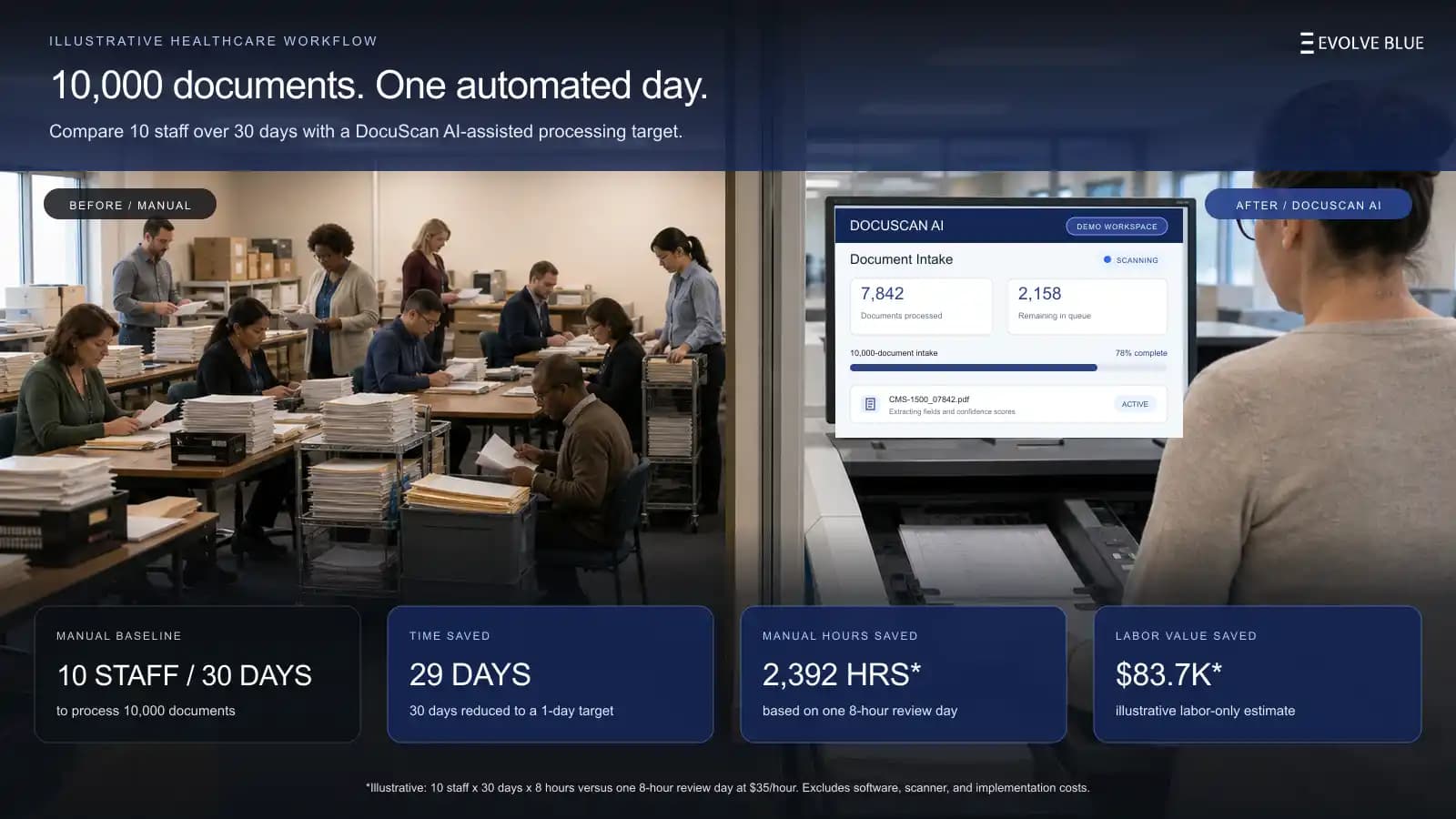
Don't say it's old. Leaders don't fund old. Say this instead: here is the money we spend keeping it alive. Here is what we'd recover. Here is the new thing we could finally build with that money.
Now it's not a repair — it's a trade. You're moving money from babysitting the past to building the future. That's a strategy conversation, and strategy gets funded.
Closing view
The most expensive system is rarely the one that broke. It's the one that never did — and quietly limited what you could build next, while everyone assumed it was fine.
Quiet failure is still failure. It just gives you less warning.