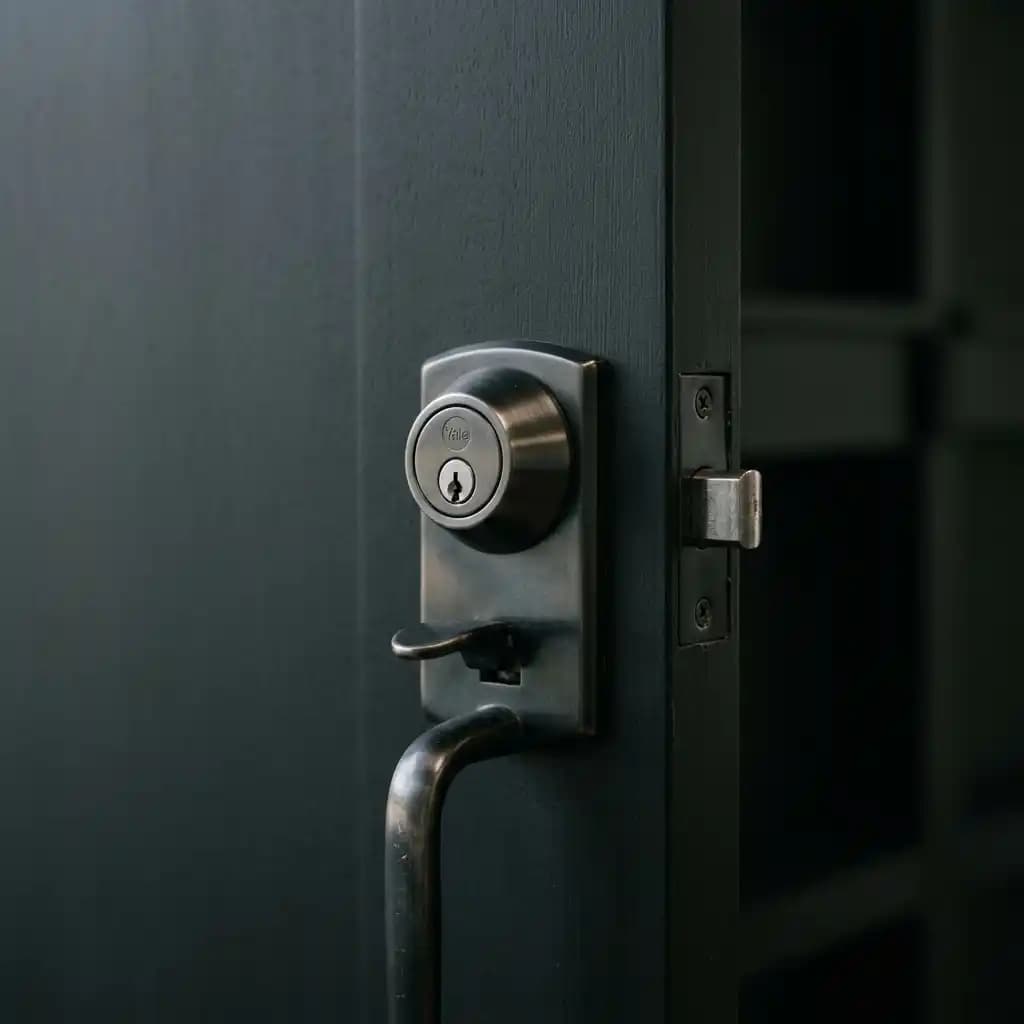
Imagine checking whether your front door is locked just once a year. On that one day, you try the handle, feel reassured, and go back inside for twelve months.
That's how most companies approach security testing. Once a year, an expert tries to get in, writes a report, and the team relaxes.
The people actually trying to get in don't work that way. They test every single day.
The gap between tests is where exposure lives
Think about what happens the day after your yearly test. Your company adds a new application. Opens a new connection. Pushes a small update. Any one of those changes can create a new opening — one that was closed during the test, now quietly available.
Nobody checks again for another year. So that exposure sits there for 364 days. Attackers probe continuously. A single annual test leaves most of the calendar year uncovered.
- New apps, integrations, and updates create new attack surface after every test
- Vulnerabilities discovered mid-year sit undetected until the next scheduled audit
- Automated attack tools scan targets around the clock, not once a year
- Compliance tests confirm a point in time — not the current state
Security testing as a habit, not an event
The shift is to stop treating security testing as a calendar item and start treating it as a continuous practice. AI makes this possible at a scale no human team can match.
AI-driven testing probes your systems around the clock — running the same techniques an attacker would, as often as needed. When a change introduces a new weakness, you find out that day. Not at next year's audit.
Continuous testing with human judgment on top
AI handles the part that never sleeps: testing everything, all the time, faster than any team could manually. People handle the part that requires context: deciding what matters most and directing how to respond.
Together, the window that attackers rely on — the long quiet stretch between tests — closes significantly. The coverage is constant. The signal is clear. The response is faster.
Closing view
Attackers work every day. A once-a-year test and a hope-for-the-best approach leaves most of the year unguarded.
Test your defenses as often as the people looking for gaps in them.