Before anyone builds a house, someone checks the ground. Is it solid? Is there water under it? Will it hold the weight?
That check costs a little. It takes a little time. And it saves you from the nightmare of a house that sinks.
Think about how big technology projects usually start. Often with no ground check at all.
The expensive guess nobody talks about
The usual story goes like this. Everyone's excited. They agree on a big plan, a big budget, a big timeline — and start building on a pile of assumptions nobody tested.
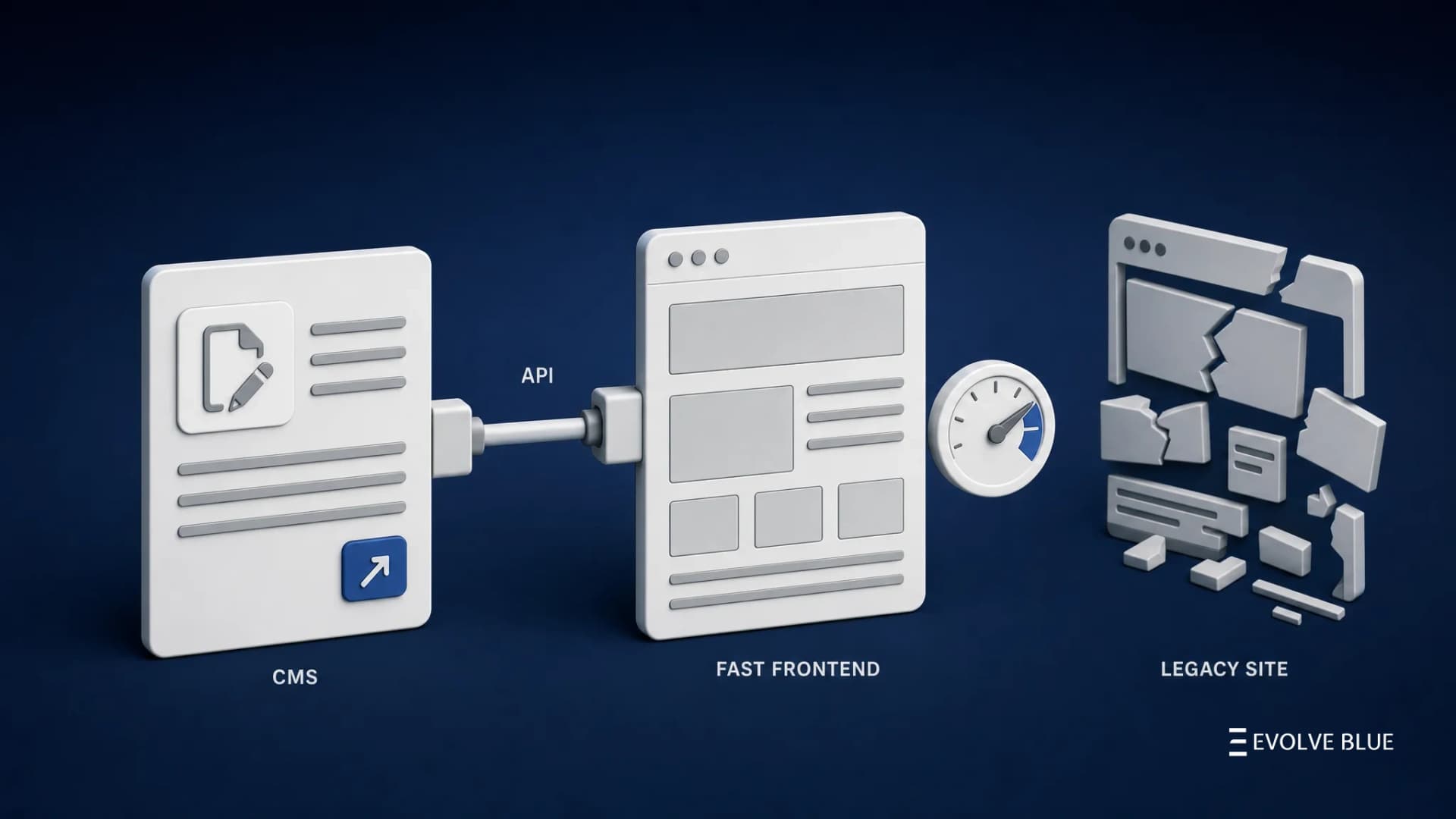
Then reality shows up. The old system is messier than anyone thought. The data is worse. The "simple" connection isn't simple. Now the plan is wrong, the budget's blown, and the trust is gone. The build didn't fail. The guessing did.
A small look before the big commitment
A technology assessment is the ground check. A short, fixed-price look before the big commitment. A team digs into the real systems, the real data, the real risks.
They come back with a clear picture: here's what's actually true, here's what it will really take, here's what could go wrong, here's the honest cost. Now your big decision isn't a guess. It's a decision.
- Current-state architecture and hidden dependency review
- Data quality and integration risk mapping
- Realistic effort, sequencing, and staffing guidance
- Go / no-go criteria before the expensive work begins
Why fixed-fee changes the buyer's math
The price is set before you start. No surprises. No meter running. That's the point for a buyer — a small, known cost to remove a giant, unknown risk.
You learn whether the ground is solid for the price of a rounding error on the real project. Smart buyers don't avoid risk by hoping. They spend a little to see it first.
Closing view
Most overruns don't happen during delivery. They happen because the project started before anyone knew what they were really building on.
Check the ground. Then build with confidence.