AI application modernization fails when it starts as a coding order.
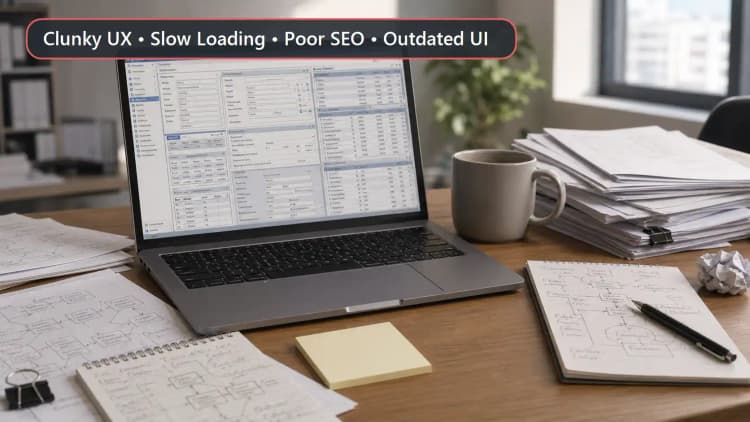
The real problem is the old tool people work around every day. Spreadsheets, inboxes, and side portals become the business process.
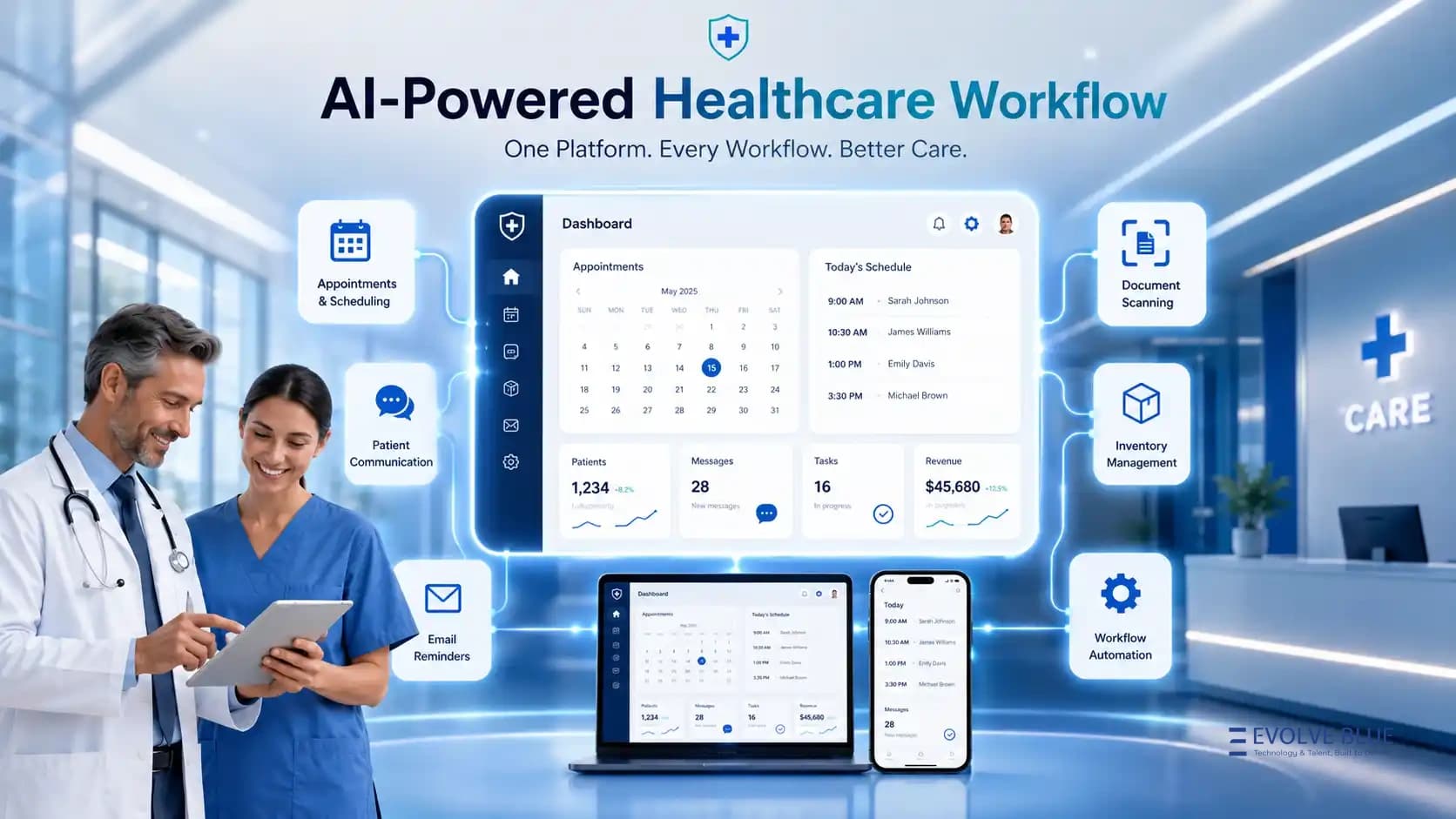
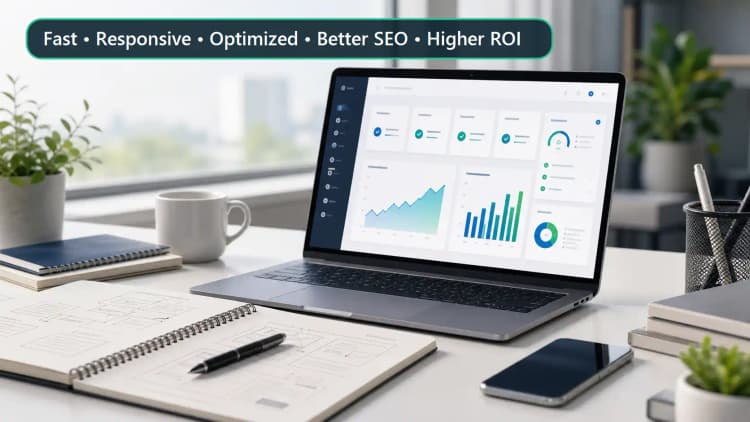
A better app does more than replace screens. It brings AI into the moments where people decide, route, check, and act.
Legacy tools turn judgment into workaround
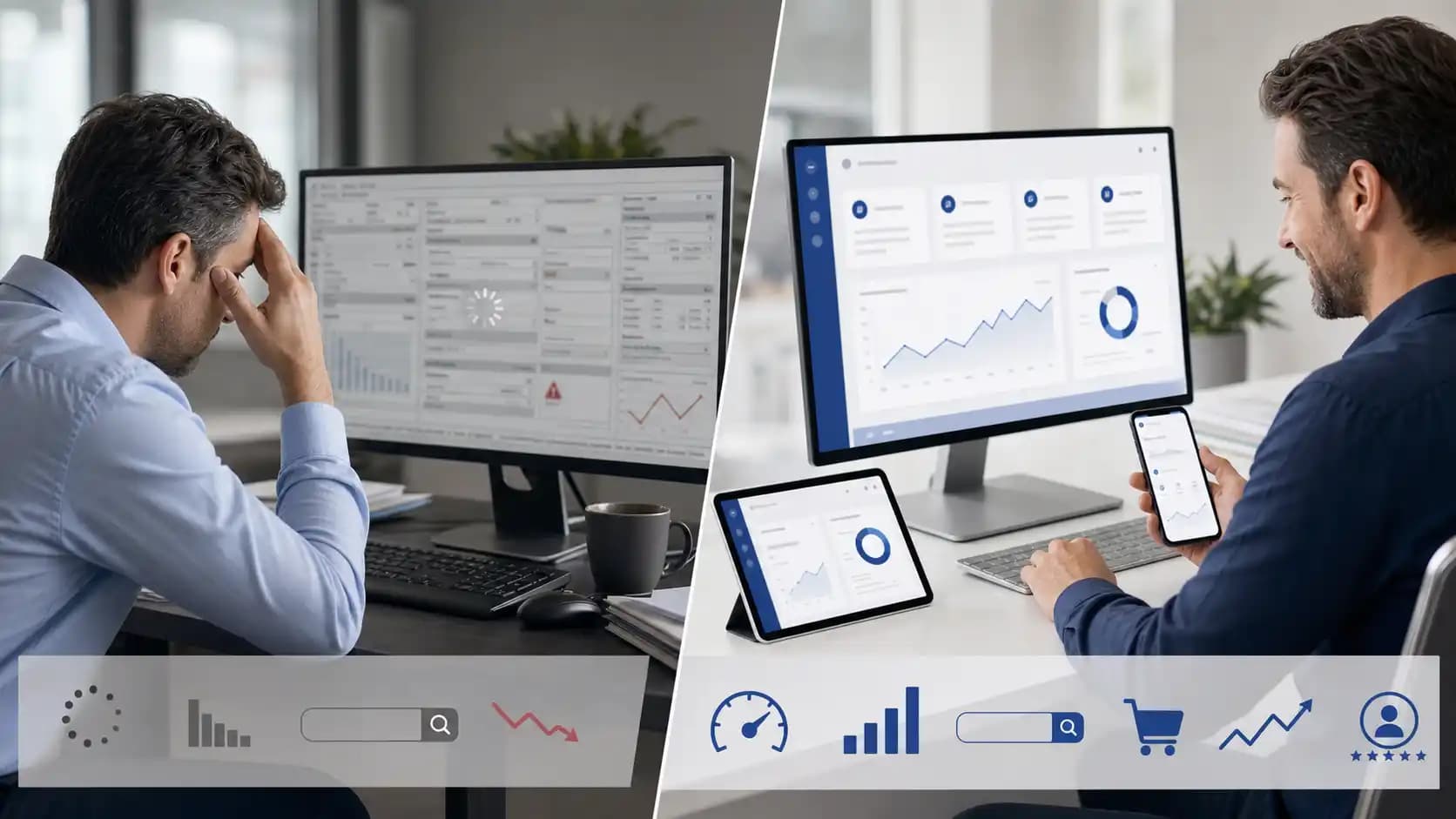
The old tool may still run. That does not mean it still fits the work.
People export data, copy fields, and build side lists. Each workaround becomes part of the job.
- Managers approve from spreadsheets
- Teams copy notes between tools
- Requests wait for manual routing
- Reports need cleanup before review

Custom apps should remove the workaround
A custom app earns its place when it changes the work. Rebuilding old screens is not enough.
Start with the workflow that slows the team. Then design the app around the decision it should support.
- Map the manual steps first
- Decide what the app should own
- Put AI where signals are clear
- Keep people on risky calls
Embedded AI needs senior engineering
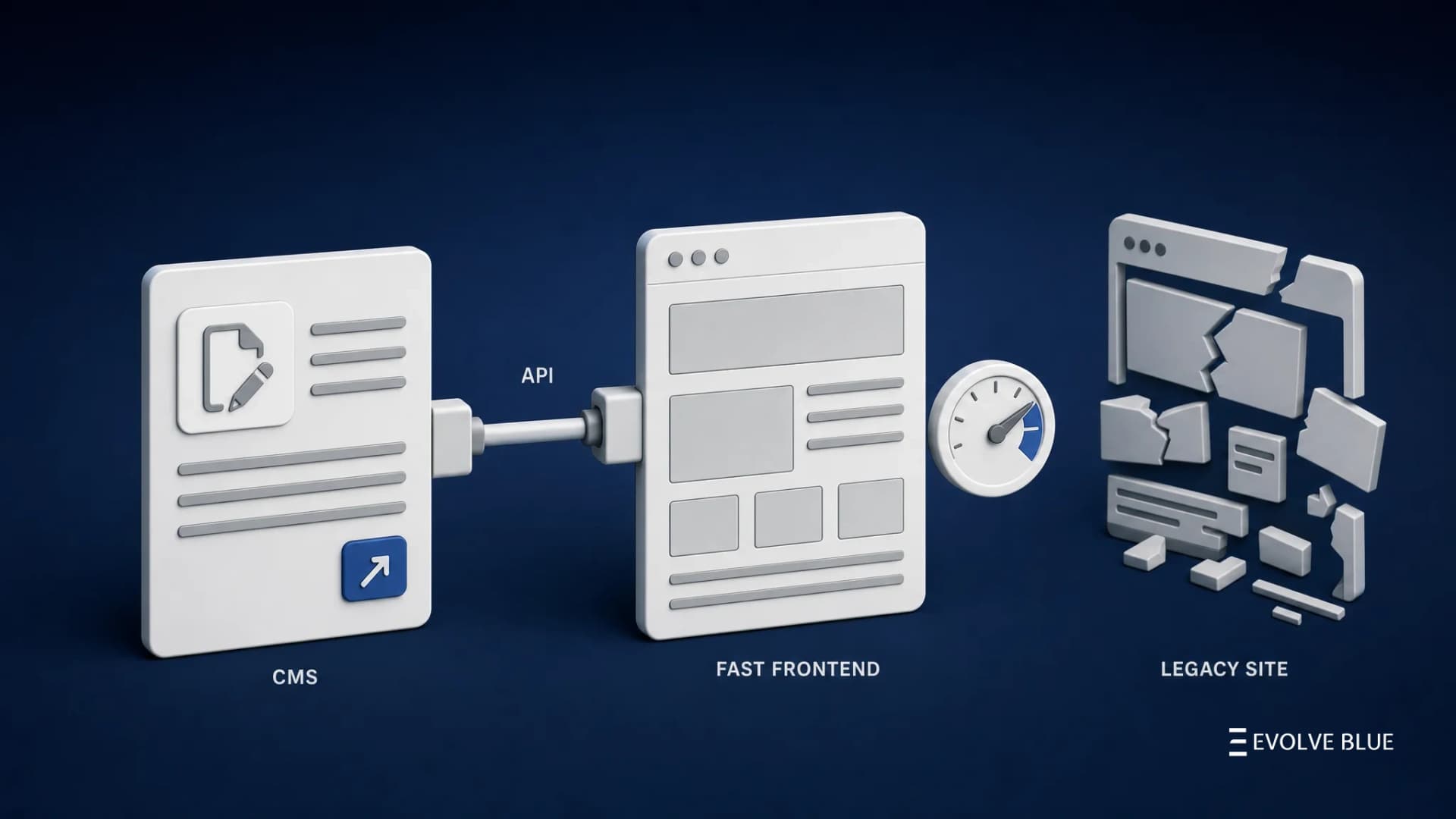
AI baked into an app is an architecture choice. It affects data, trust, testing, and support.
That is why delivery capacity matters. You need people who question the workflow before they write code.
- Define what AI can suggest
- Log the reason behind each recommendation
- Test edge cases before launch
- Give every exception an owner
Delivery capacity should think with you
Many teams do not lack ideas. They lack senior engineering time to turn the idea into a product.
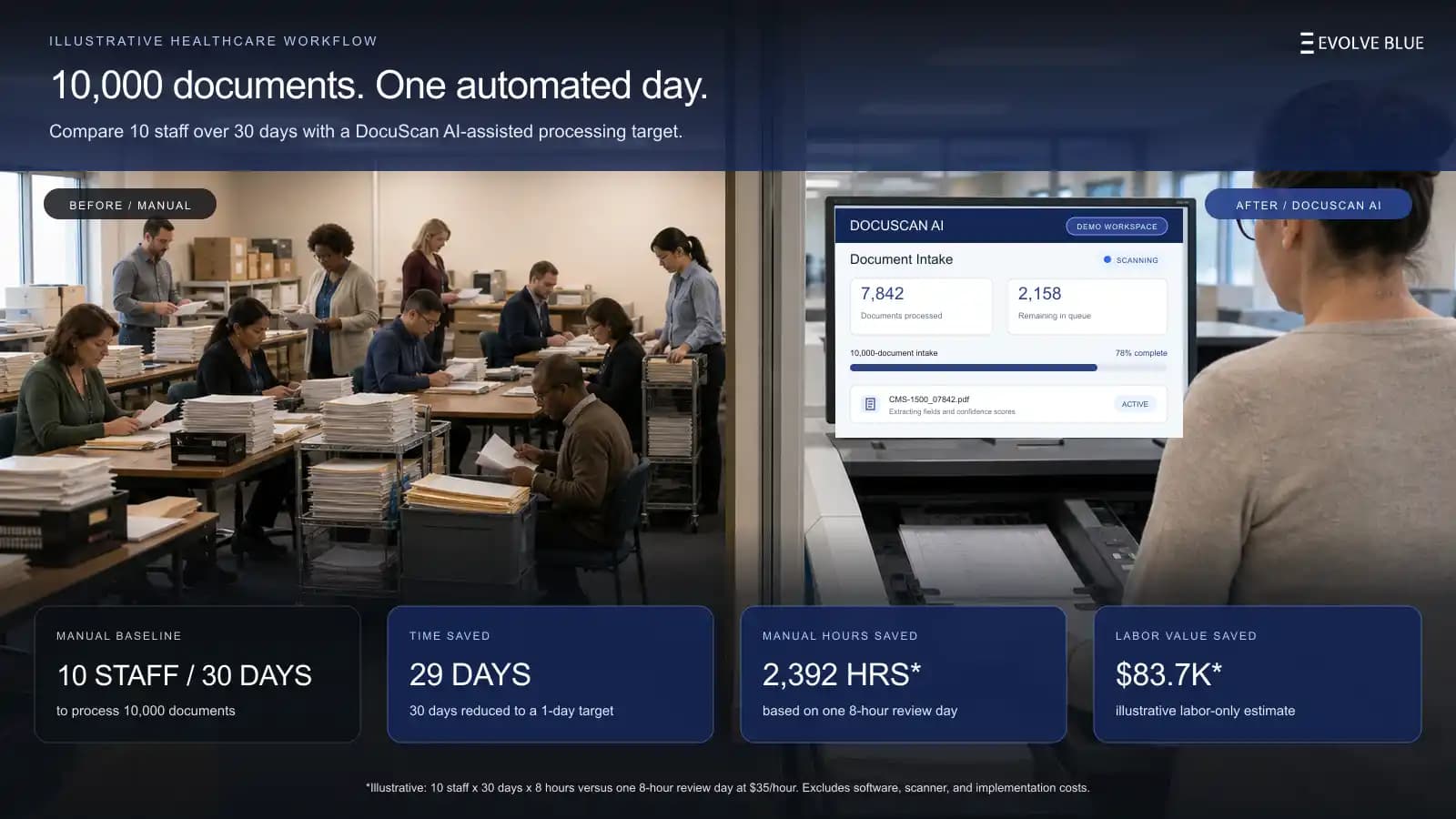
DocuScan and RapidMatch show the pattern. The app handles the repeat step. People keep judgment.
- Ship a narrow release first
- Measure cycle time before and after
- Protect the data path
- Improve the workflow after real use
Closing view
Legacy tooling creates a strange trap. Everyone knows the work is slow, but no one has senior time to fix it.
Do not buy more hands to code the old process. Buy the judgment to replace it.