Cloud & Operations

Cloud monitoring & observability.

See what is happening. Know why it happened.

We build full-stack observability for cloud environments across AWS, Azure, and GCP — structured logging, distributed tracing, meaningful dashboards, and alert configurations that actually reflect how your system behaves in production.

NMSDC MBE Certified
U.S.-Based Team
AWS · Azure · GCP
OpenTelemetry
Cloud monitoring and observability engineering for AWS, Azure, and GCP
Evolve Blue · Cloud & Operations
Observability built for production systems.
3
Cloud platforms covered
Full
Stack observability
3 clouds
AWS, Azure, and GCP
MBE
NMSDC MBE Certified
10+
Years cloud delivery

01 · The problem we solve

Why cloud monitoring fails in production.

01

Alerts that fire constantly, or don't fire when they should

Cloud monitoring is set up quickly during deployment and never tuned — resulting in alert fatigue from noise, or critical failures that go undetected because the right alert was never configured.

02

Logs exist but are impossible to use during an incident

Application and infrastructure logs are collected but not structured. During an incident, teams spend more time searching through logs than diagnosing and fixing the problem.

03

No visibility into what changed before a production issue

When something breaks in production, the team has no clear record of what changed — a deployment, a config update, a scaling event — making root cause analysis slow and unreliable.

02 · What we deliver

Observability engineering services.

From alert design and structured logging to distributed tracing and compliance log management — designed for production cloud environments.

Metrics & Alerting Design

Design a metrics and alerting strategy that reflects actual business and system health — not just out-of-the-box defaults. Configurable thresholds, runbook links, and escalation routing.

Discuss this →

Log Management & Structured Logging

Implement structured logging across your application and infrastructure layer — with centralized collection, search, and retention policies aligned to your compliance requirements.

Discuss this →

Distributed Tracing

Implement distributed tracing with OpenTelemetry across microservices so performance bottlenecks and errors can be traced to the specific service, request, and line of code.

Discuss this →

Observability Dashboards

Build Grafana, CloudWatch, or Azure Monitor dashboards that give engineering, ops, and management teams the view they need — without requiring a ticket to query the data.

Discuss this →

On-Call & Incident Runbooks

Develop on-call runbooks linked from alert notifications — so the person who gets paged has a documented starting point, not a blank terminal.

Discuss this →

Compliance & Audit Log Management

Configure audit logging for regulatory requirements — CloudTrail, Azure Activity Logs, GCP Audit Logs — with retention, access control, and reporting.

Discuss this →
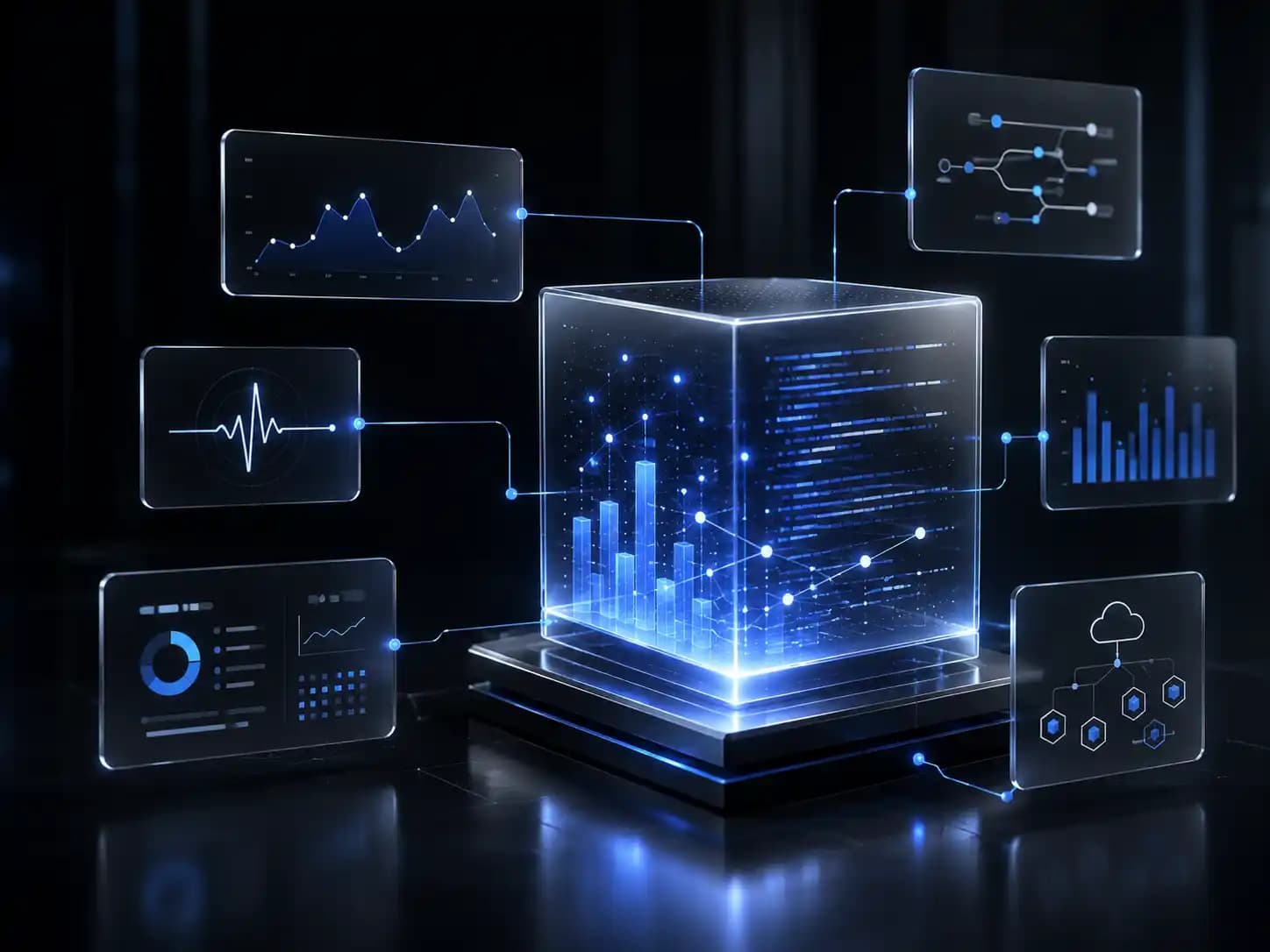
AI-assisted anomaly detection, engineer-validated

AI-assisted anomaly detection can surface patterns in large-volume metrics that would be missed by static thresholds. We implement AI-powered alerting where it reduces noise — and validate the signal before it reaches on-call engineers.

03 · How we work

From monitoring gaps to production observability.

01

Observability Assessment

Audit your current monitoring setup — what is covered, what is missing, and where your biggest observability gaps are.

Current state gap analysis
02

Strategy & Design

Design a metrics, logging, and tracing strategy aligned to your system architecture and operational requirements.

Observability strategy + tool selection
03

Implementation

Implement instrumentation, dashboards, alert rules, and runbooks across your cloud environments.

Working observability stack
04

Handover & Ongoing Review

Train your team on the new tooling. Provide ongoing review and optimization as your system evolves.

Team training + review cadence

04 · Common questions

Frequently asked questions.

What observability tools does Evolve Blue work with?

We work with Prometheus, Grafana, Datadog, New Relic, Dynatrace, AWS CloudWatch, Azure Monitor, and Google Cloud Operations Suite. Tool selection is based on your existing stack, team familiarity, and cost profile — not a preset preference.

What is the difference between monitoring and observability?

Monitoring tells you something is wrong. Observability tells you why. Monitoring is built on predefined metrics and alerts; observability — with logs, metrics, and traces together — lets you ask questions you did not think to ask before an incident.

Do you implement OpenTelemetry?

Yes. OpenTelemetry is our preferred instrumentation standard for new implementations because it is vendor-neutral and avoids lock-in to a specific observability backend. We instrument applications and infrastructure with OTEL and route telemetry to your backend of choice.

How long does an observability implementation take?

A focused observability engagement for a production cloud environment typically takes 4–10 weeks, depending on the number of services, the existing instrumentation, and the scope of dashboard and runbook work.

Can you help us reduce alert noise without removing important alerts?

Yes. Alert tuning is a specific workstream we take on — reviewing existing alert configurations, correlating alerts to actual incidents, and redesigning alert rules to reduce noise while maintaining or improving detection coverage.

Get Started

Ready to see what is happening in your cloud?
Start with an observability assessment.

Tell us about your current monitoring setup — we’ll identify the gaps, recommend the right tooling, and implement an observability stack that gives your team real visibility into production.

Contact info@evolveblue.com · +1 215-882-3133