You have the software. You have the platforms. You have the vendors. What you don't have is clean execution.
Every new tool adds a login, a contract, and a handoff. Multiply that across teams and the stack becomes a maze. Work slows. Ownership blurs. Problems sit between vendors — and nobody picks them up.
The answer is not another tool. It's fewer partners who own more of the outcome.
The real cost is not the tools. It's the space between them.

Most large companies run 200 to 400 software tools. Each one made sense alone. Together, they create a web that nobody fully understands.
The cost is not license fees. It's the hours lost connecting systems, chasing handoffs, and waiting for three vendors to agree before anything moves.
- Every tool adds an integration, a contract, and a support channel
- Handoffs between vendors create gaps where problems sit untouched
- Teams spend more time coordinating than building
- Everyone owns a piece. Nobody owns the outcome.
Every vendor owns a slice. Nobody owns the whole.
Your cloud vendor owns infra. Your staffing vendor owns people. Your dev shop owns code. When something breaks between them, you get a meeting — not a fix.
That gap between vendors is where execution dies. The work is "done" in four places. But nothing works together.
One partner. Technology and talent. One point of accountability.
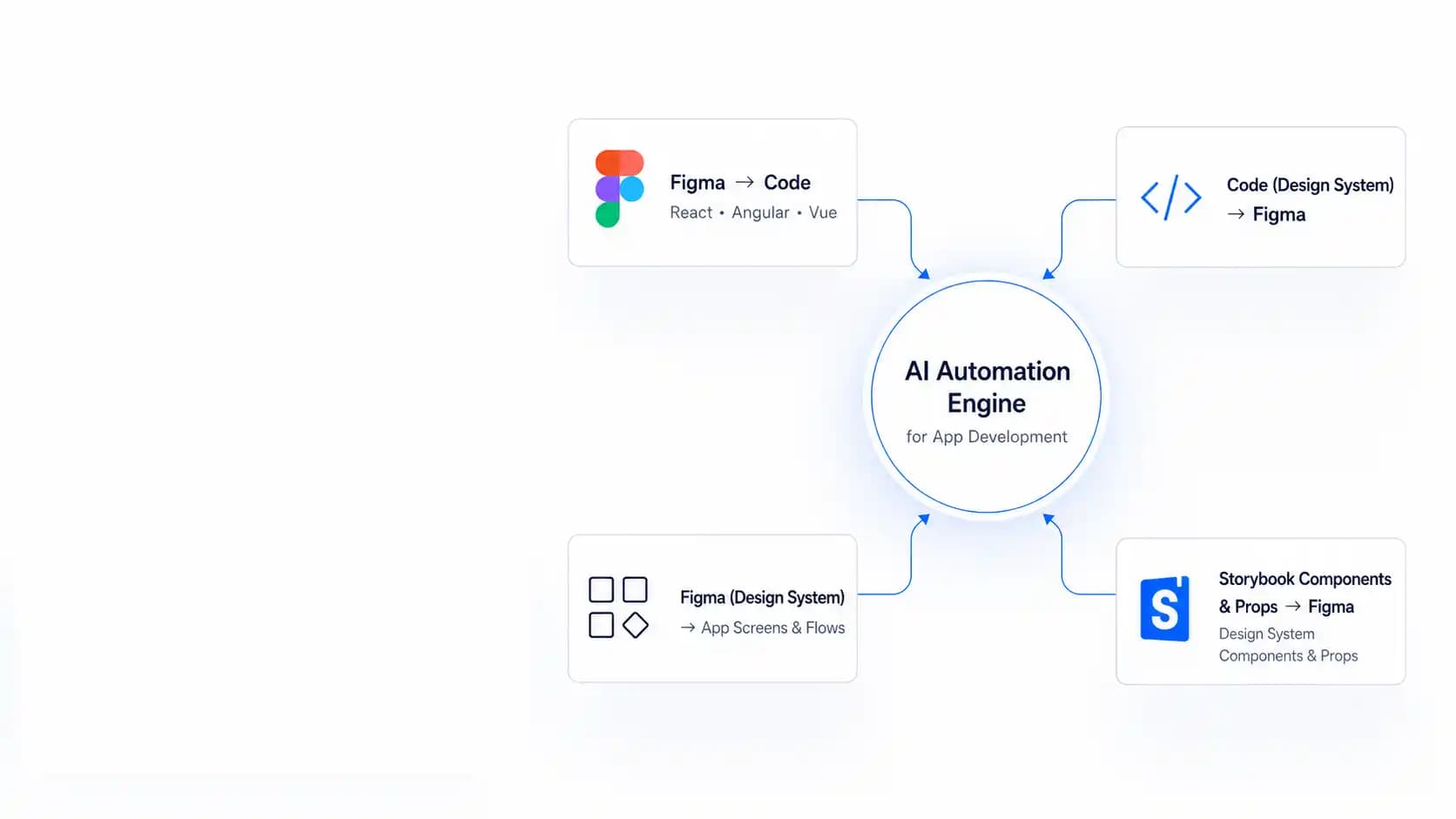
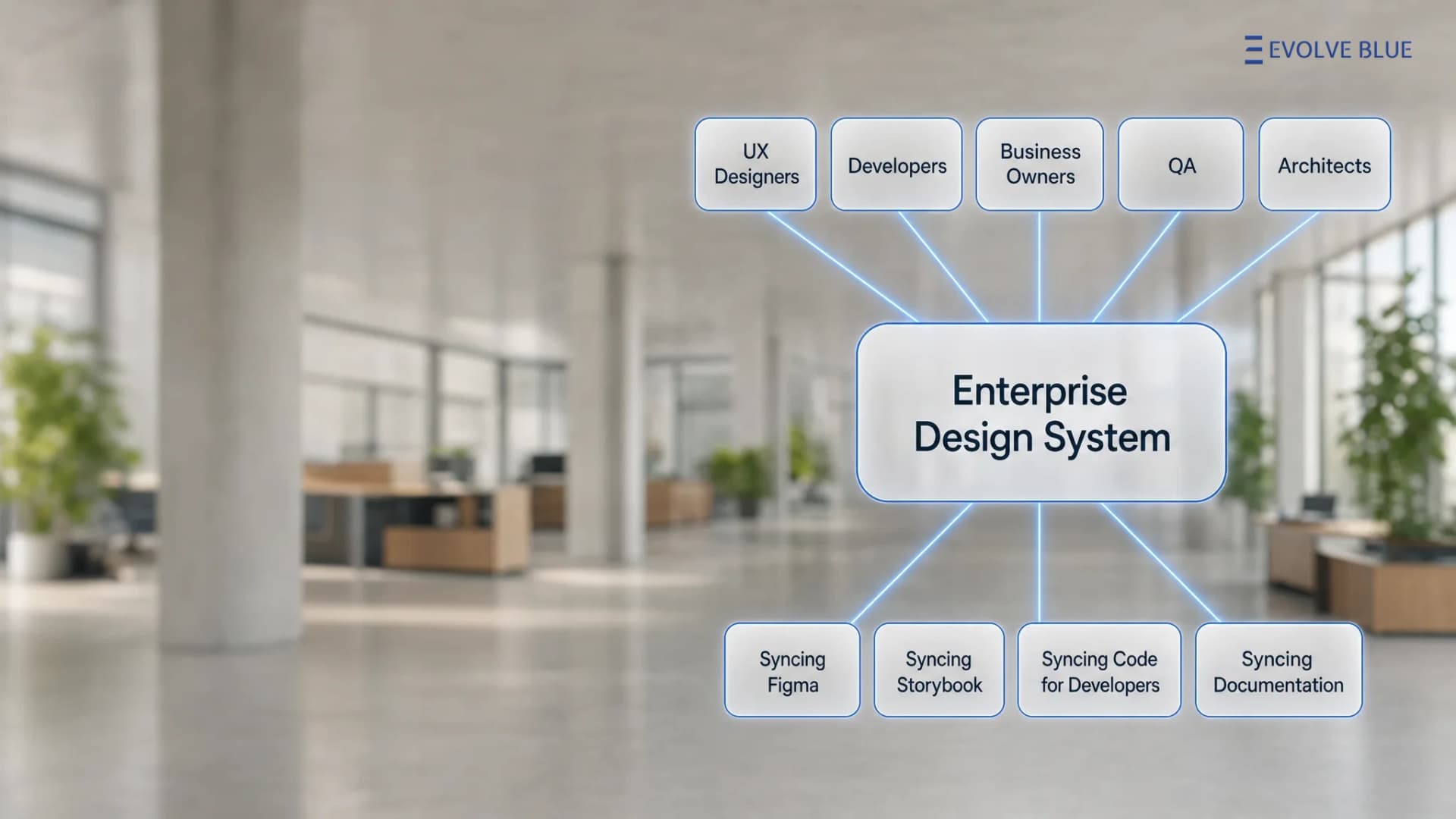
Evolve Blue builds, connects, automates, and runs — and staffs the teams that do the work. Technology and talent. One roof. One contract.
When the code, the cloud, and the people all come from the same partner, the gaps disappear. Problems get fixed by the team that built the system.
- Engineering, integration, cloud, and automation — one delivery team
- IT staffing and talent — same partner, same standards
- One contract replaces three to five vendor relationships
- Accountability stays with Evolve Blue from build through production


Closing view
You are not short on software. You are short on clean execution across too many tools, vendors, and teams.
Stop managing the maze. Pick one partner who owns the outcome.