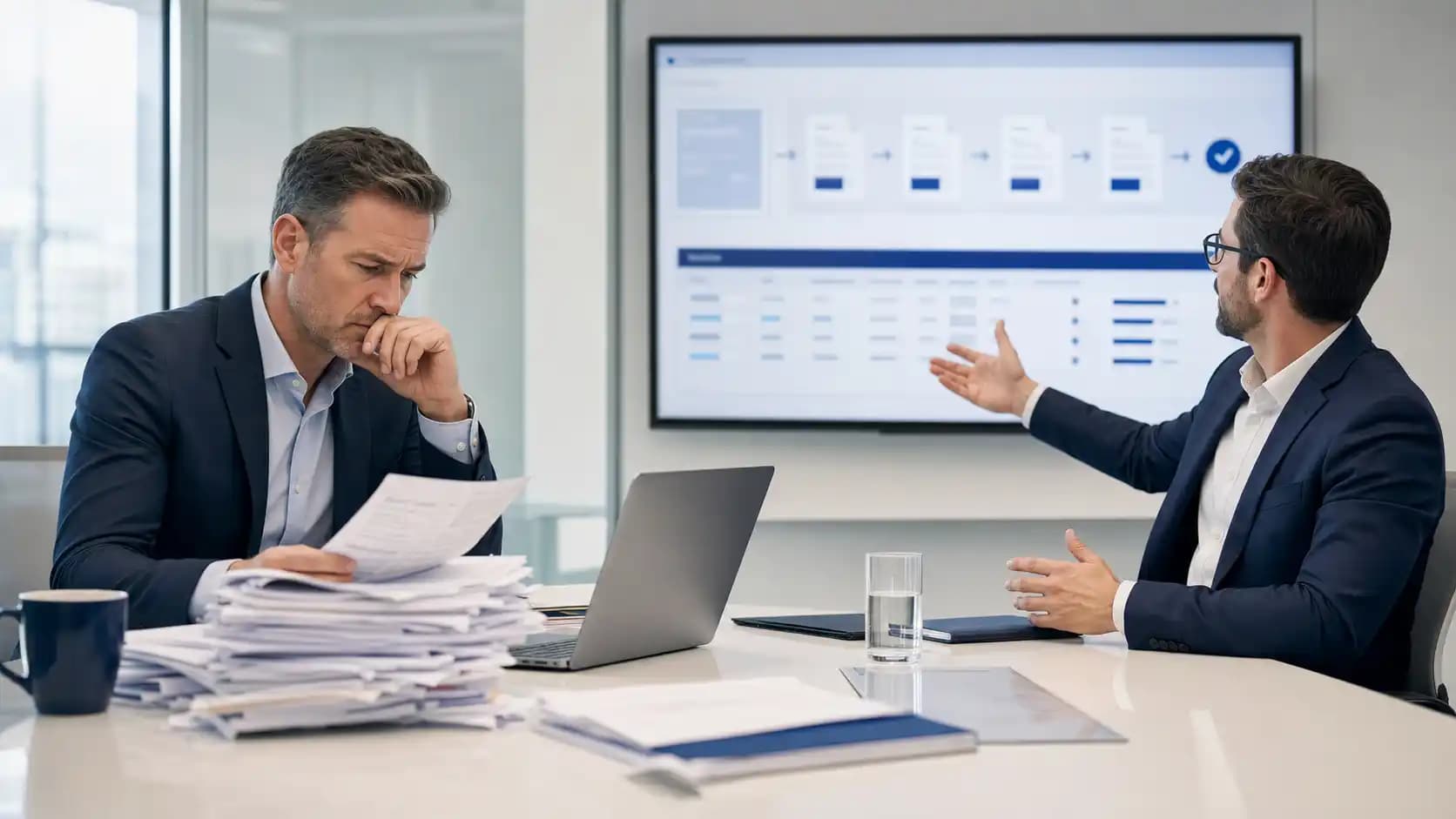
You know the system. Everyone complains about it. No one wants to be the person who touched it last.
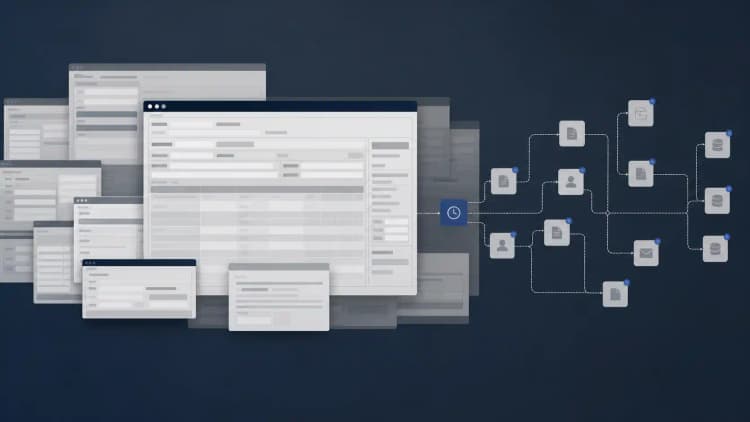
It still runs payroll, billing, claims, orders, or reporting. So teams build around it. They add spreadsheets, side portals, and manual checks.
That is how legacy application modernization gets delayed. Not because leaders see no value. Because the blast radius feels too big.
Fear makes the old system the boss
Budget is rarely the first blocker. Most leaders can see the cost. The real blocker is fear.
One small change could break month-end close. One missing rule could stop a shipment. So the team waits, and the old system sets the pace.
- Only two people know where the hidden rules live
- Every release needs extra approvals
- Teams create side spreadsheets to avoid changing core code
- New tools wait for data the old system cannot share

Workarounds become the real workflow
A workaround starts as a smart shortcut. Then it becomes policy. Six months later, everyone treats it as normal work.
That is where the cost compounds. The system stays old. The process around it gets even older.
Modernize the edges before the core
You do not have to replace the whole system at once. Start where change creates value and limits risk.
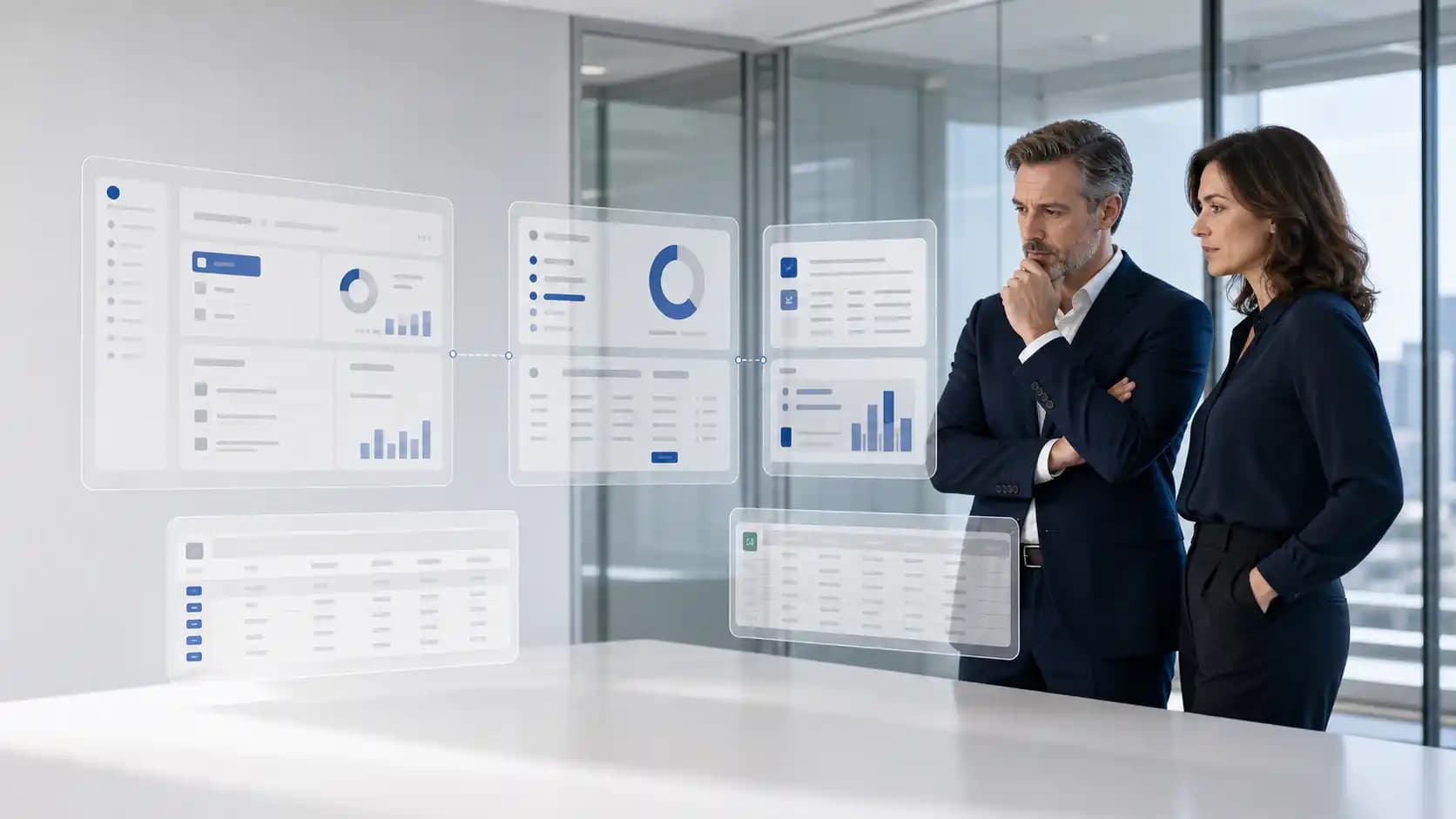
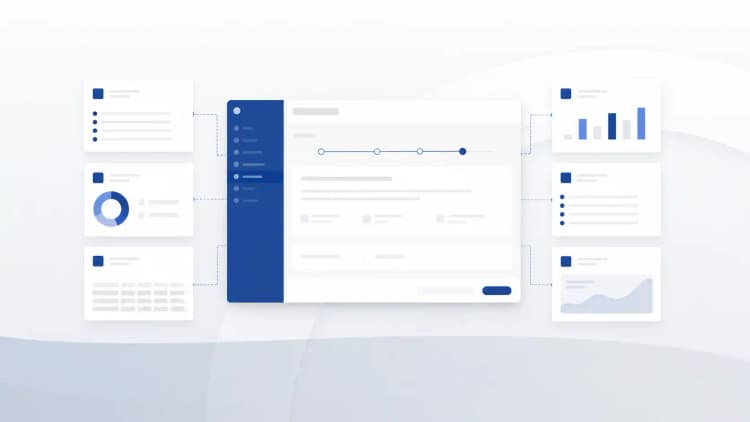
Wrap the old core with cleaner APIs, portals, and reports. Move one workflow at a time. Keep the lights on while the pace changes.
- Start with one painful workflow
- Add tests around the rules no one wants to break
- Expose clean data through an integration layer
- Move users to a modern portal in phases
- Retire old screens only after the new path works
A safer path still needs a real owner
Piece-by-piece modernization is not drift. It needs one owner, one roadmap, and one way to measure progress.
Pick the first release small enough to ship in 90 days. Then show the business what got faster.
- Cycle time for a change request
- Manual steps removed from the workflow
- Number of users moved to the new portal
- Incidents avoided during cutover
Closing view
The old system matters. That is why ripping it out is risky. It is also why leaving it alone is expensive.
Modernization is not the big bang everyone fears. It is the steady act of taking back the pace of the business.