DevOps release pipeline risk rarely looks dramatic at first.
One engineer knows the rollback step. One engineer knows the release switch. One engineer knows which alert matters.
Then PTO hits. Or turnover does. The pipeline still exists, but delivery confidence does not.
Release knowledge gets trapped in people
The problem is not that one engineer is talented. The problem is that the system depends on memory.
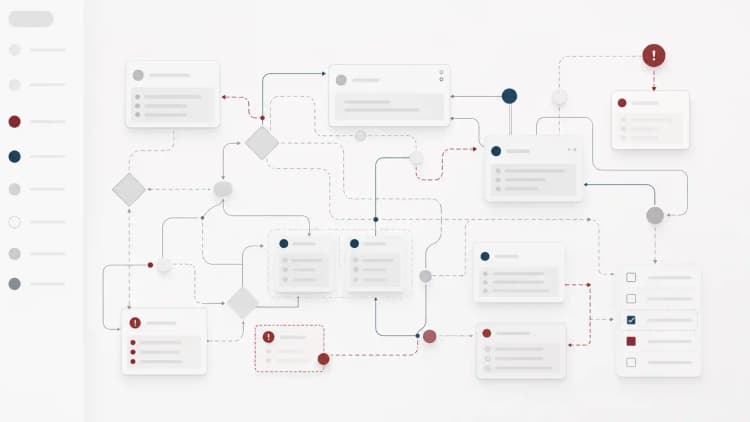
When release notes live in chat threads, every deployment needs a guide. Incidents also need that same guide.
- Rollback steps sit in one person's head
- Runbooks age after each emergency fix
- Access rules depend on informal handoffs
- On-call coverage shrinks during PTO

A DevOps release pipeline needs owners
Good tooling helps, but ownership makes it work. Each release path needs a named owner and a backup.
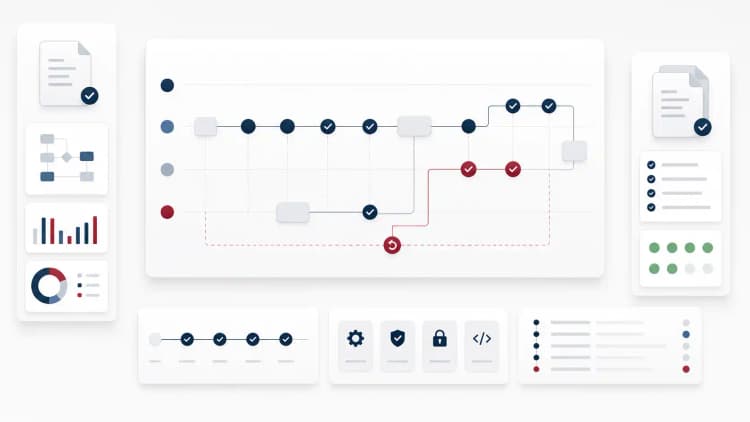
That means clear runbooks, release gates, rollback rules, and incident notes. It also means updates after work changes.
- Name one primary owner and one backup
- Write rollback steps before release day
- Keep incident notes tied to the pipeline
- Review access before the on-call rotation changes
Documentation turns staffing into strength
Senior DevOps engineers should not act like emergency translators. They should make delivery easier to repeat.
Evolve Blue supports DevOps and platform work with senior engineers who document as they build. They harden what they touch.
Compliance-ready delivery changes the buying case
Regulated teams need more than speed. They need evidence that the release path is controlled.
As an NMSDC MBE Certified partner, Evolve Blue also supports supplier-diversity spend. The work still has to stand on delivery proof.
- Runbooks match the current pipeline
- Access changes are tracked
- Release evidence is easy to find
- Hybrid delivery keeps context close
Closing view
Every team has people who know the hidden steps. That is normal. It becomes risk when nobody else can move.
Your pipeline should survive PTO, turnover, and a 2 a.m. incident. Memory is not a delivery model.