Integration debt is the most expensive thing no one puts on a balance sheet.
Every workaround. Every manual export. Every "we'll fix it later" connection between systems that were never meant to talk. It compounds quietly — until a migration, an audit, or an acquisition forces the reckoning.
The hard part is not the platform. It is the senior judgment to design integrations that hold up under enterprise scale and regulatory scrutiny.
Point-to-point connections multiply the risk
Most integration debt starts with a reasonable shortcut. One team needed two systems to share data. Someone built a direct connection that worked.
Then another team needed the same. Then another. By the time the architecture is reviewed, 14 brittle point-to-point hacks are doing the job that one clean integration layer should own.
- Each direct connection is a failure point with no shared owner
- Change one system and the ripple is invisible until production breaks
- Audit teams cannot trace which path touched which record
- Teams spend sprint cycles maintaining integrations instead of shipping features
Boomi is connective tissue, not middleware duct tape
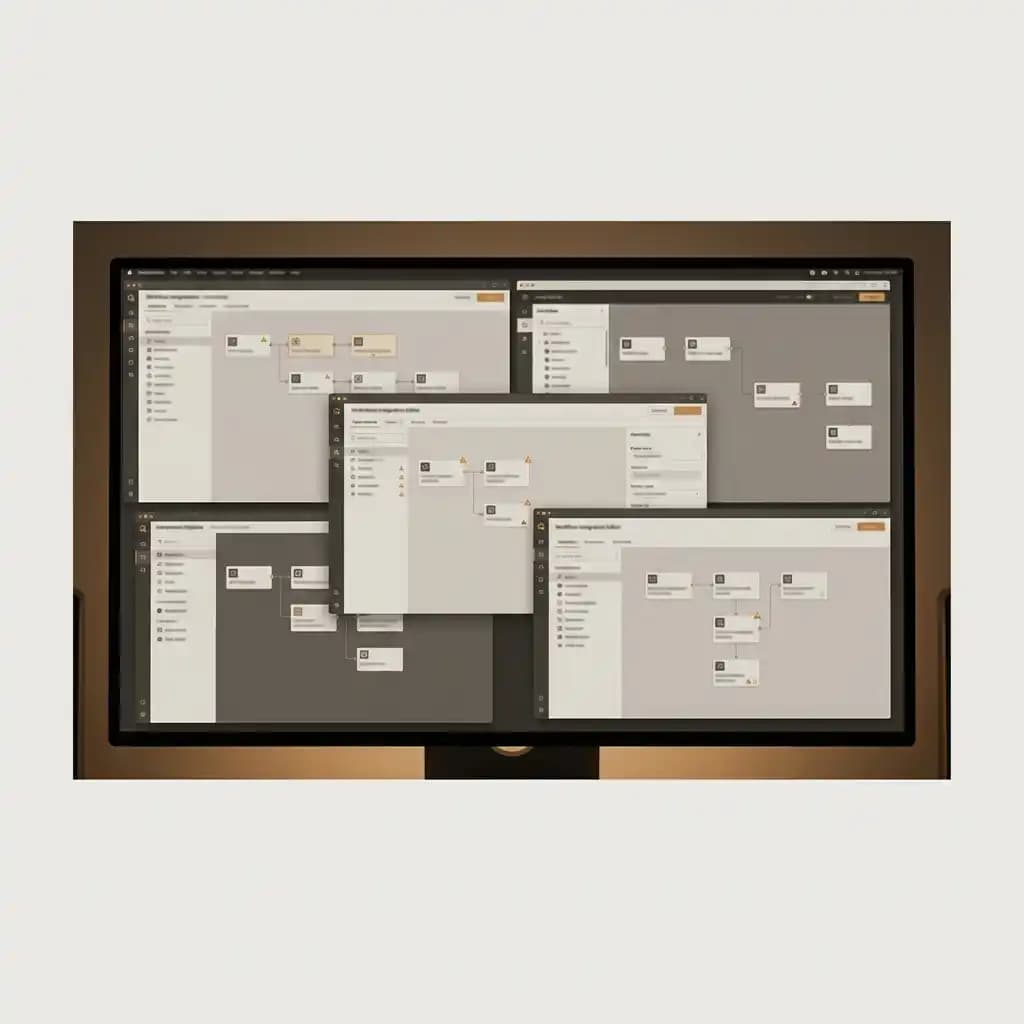
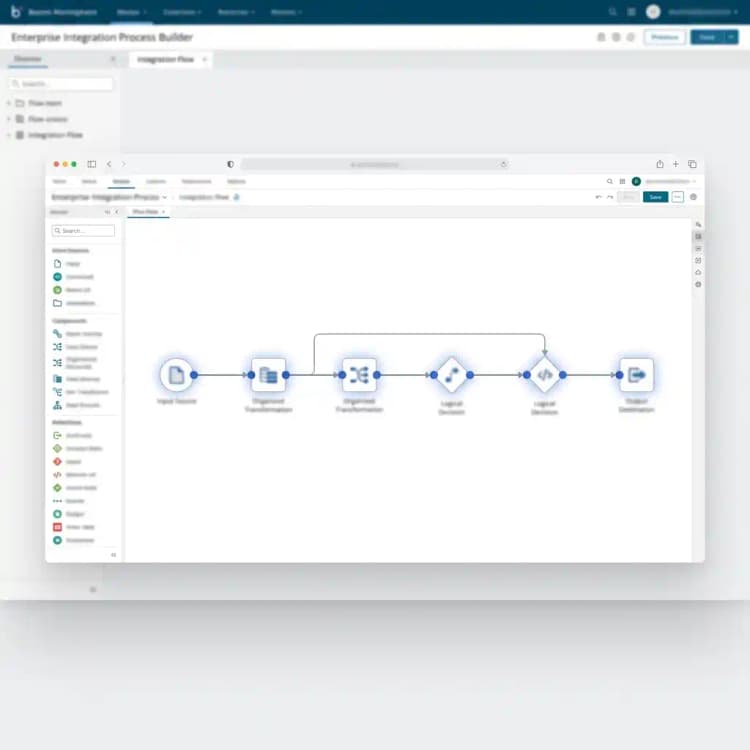
Boomi done right is not another layer to manage. It is the clean path your data should have had from the start.
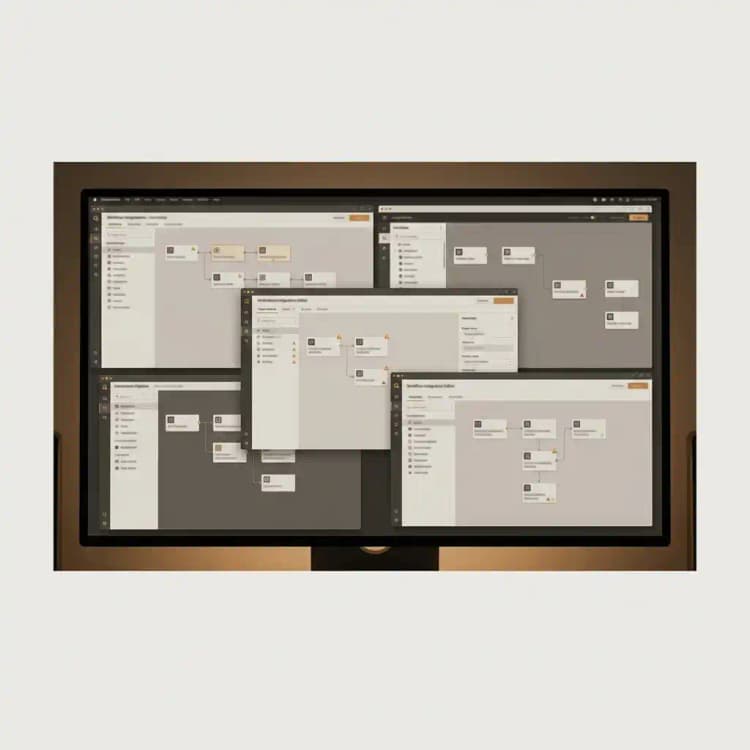
APIs, ERP systems, CRMs, cloud platforms, and compliance tools connect through one governed hub. Data moves cleanly. Exceptions get flagged. Every path has an owner and an audit trail.
Senior onshore judgment keeps integrations compliant
The platform is only as good as the architecture behind it. Boomi can solve point-to-point debt — or create a cleaner version of the same problem if the design is rushed.
Onshore engineering earns its place close to your data, accountable to your compliance reality. That means architects who understand your audit trail, your data residency rules, and what happens when systems change.
- Map every current integration path before building the replacement
- Define ownership and exception handling before go-live
- Set data residency rules into the platform design, not after
- Keep humans on compliance-sensitive exceptions by default
- Track integration health after launch — not just at cutover
Closing view
Your integration debt is not a technical problem. It is a business risk sitting quietly inside normal operations.
Where is it hiding right now? That is the right question — and the answer usually shows up before the next audit asks it first.