Before you sign with an application modernization partner, ask one question.
Who actually does the work? The answer matters more than the slide about scale.
A firm can promise 80,000 consultants and a modernization factory. That does not tell you who owns your risk on day ten.
Scale can hide the handoff
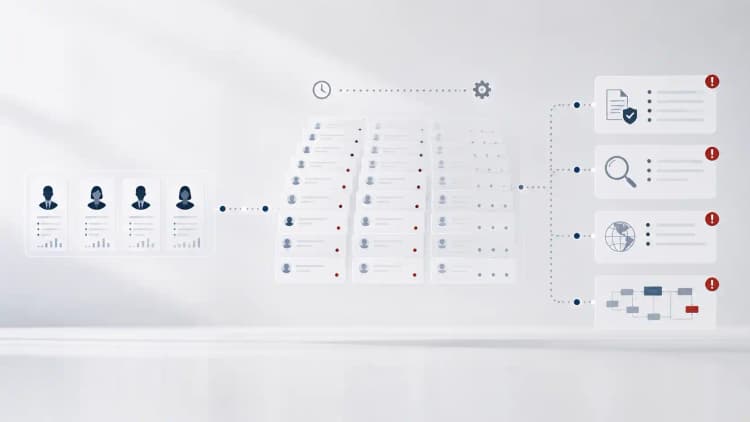
The senior architect may lead the pitch. Then the work moves into a delivery queue.
Your project gets a ticket number. The person who understood the risk is no longer in the room.
- The pitch team leaves after kickoff
- Delivery moves through account manager layers
- Architecture choices lose their original context
- The buyer manages the gaps between teams

Regulated work keeps the receipts
For government and regulated programs, the handoff is not just annoying.
It can break the record of who handled data, who approved change, and who can answer an auditor.
- Data residency needs a named delivery path
- Compliance documents need to exist before work starts
- Audit trails need owners, not aliases
- Sensitive work needs onshore execution by default
Precision beats volume when risk is real
A volume model sells bench strength. A precision model sells accountability.
You should know the senior people doing the work. You should know where the work happens.
Ask for the operating proof
The right partner can answer the work question without theatre.
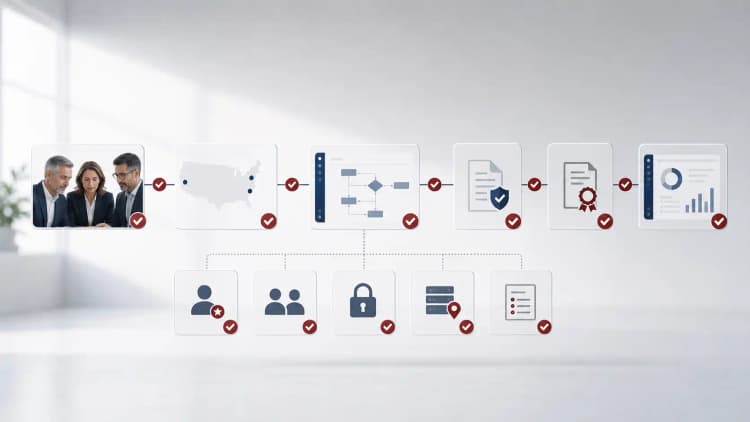
They can show the delivery team, the onshore plan, the compliance packet, and the buying path upfront.
- Onshore-first delivery by default
- Direct senior access on every engagement
- No account manager layers between you and the work
- NMSDC MBE Certified status with documents ready
- U.S. payroll and compliance-ready delivery support
Closing view
Large firms bring volume. That can help when the work is simple and the risk is low.
When the work is regulated, visible, and hard to unwind, precision is the safer bet.