Most automation projects stall because they try to fix everything at once.
The backlog grows. Every team wants a fix. Then the first project becomes a committee.
AI workflow automation works better when the first target is narrow. One process. One sprint. One system in production.
Manual work has a hidden payroll
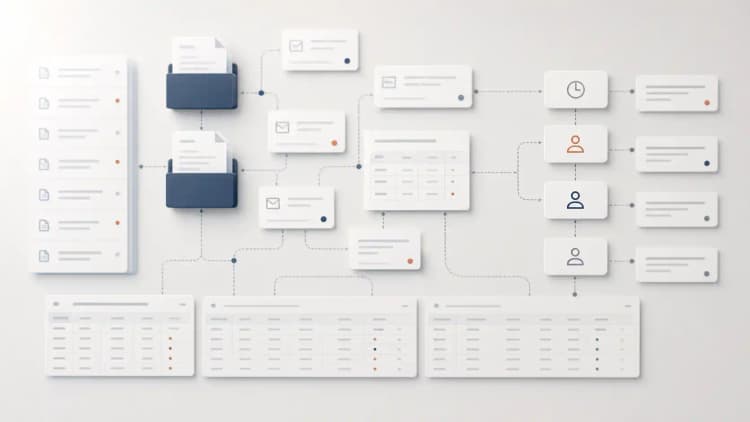
Invoice processing, claims intake, document routing, and approvals all hide the same problem.
People move facts between systems because the workflow never learned how. Across a month, that drains senior people.
- Documents arrive in different formats
- Reviewers copy facts into core systems
- Exceptions sit in personal inboxes
- Approvals depend on status meetings

A workflow automation sprint makes value visible
A workflow automation sprint starts with the process costing the most hours.
It does not start with a platform wish list. It starts with intake, rules, exceptions, and approvals.
- Pick one workflow with clear volume
- Measure the current review time
- Define the exception paths first
- Ship only what the team will use
Production changes the test
A sandbox pilot can look busy and still change nothing. The real test is Monday usage.
The sprint should end with a working flow your team trusts. That means access rules, audit trails, and owner training.
Regulated teams need proof
Enterprise and regulated buyers need control as much as speed.
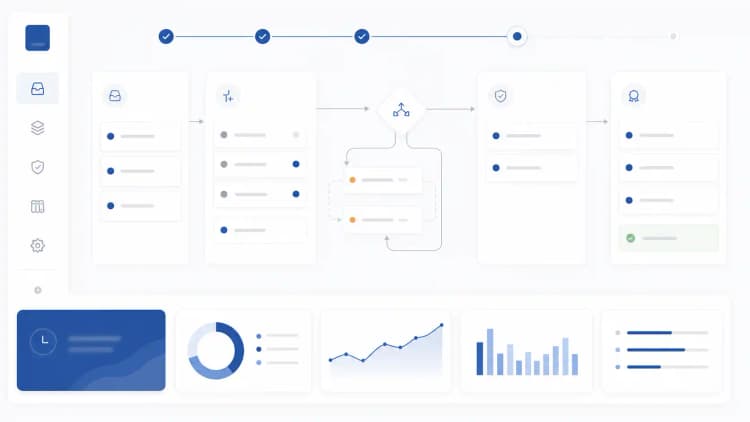
AI workflow automation must show what happened, who approved it, and where exceptions went.
- Onshore-first delivery keeps context close
- Senior engineers reduce handoffs
- Audit trails are part of the build
- Measured time saved proves the case
Closing view
Trying to automate everything is how automation dies. The narrower path is faster because the finish line is real.
If you can name the workflow draining your week, you can value the fix. Start there. Ship that.