AI modernization can feel like relief. The backlog moves. The old code finally changes.
Then one small request touches twelve files. A confident sprint becomes a nervous release meeting.
That is the real AI-debt hook. Speed helps only when senior architecture keeps change safe.
AI coding tools move risk fast
AI coding tools are good at volume. They can translate, refactor, and generate clean-looking code.
That does not mean the system is safer. If no one owns the design, the debt gets a newer shape.
- Business rules move into scattered helpers
- Prompts become hidden workflow logic
- Tests cover the happy path only
- One engineer becomes the map
Technical debt hides in normal work
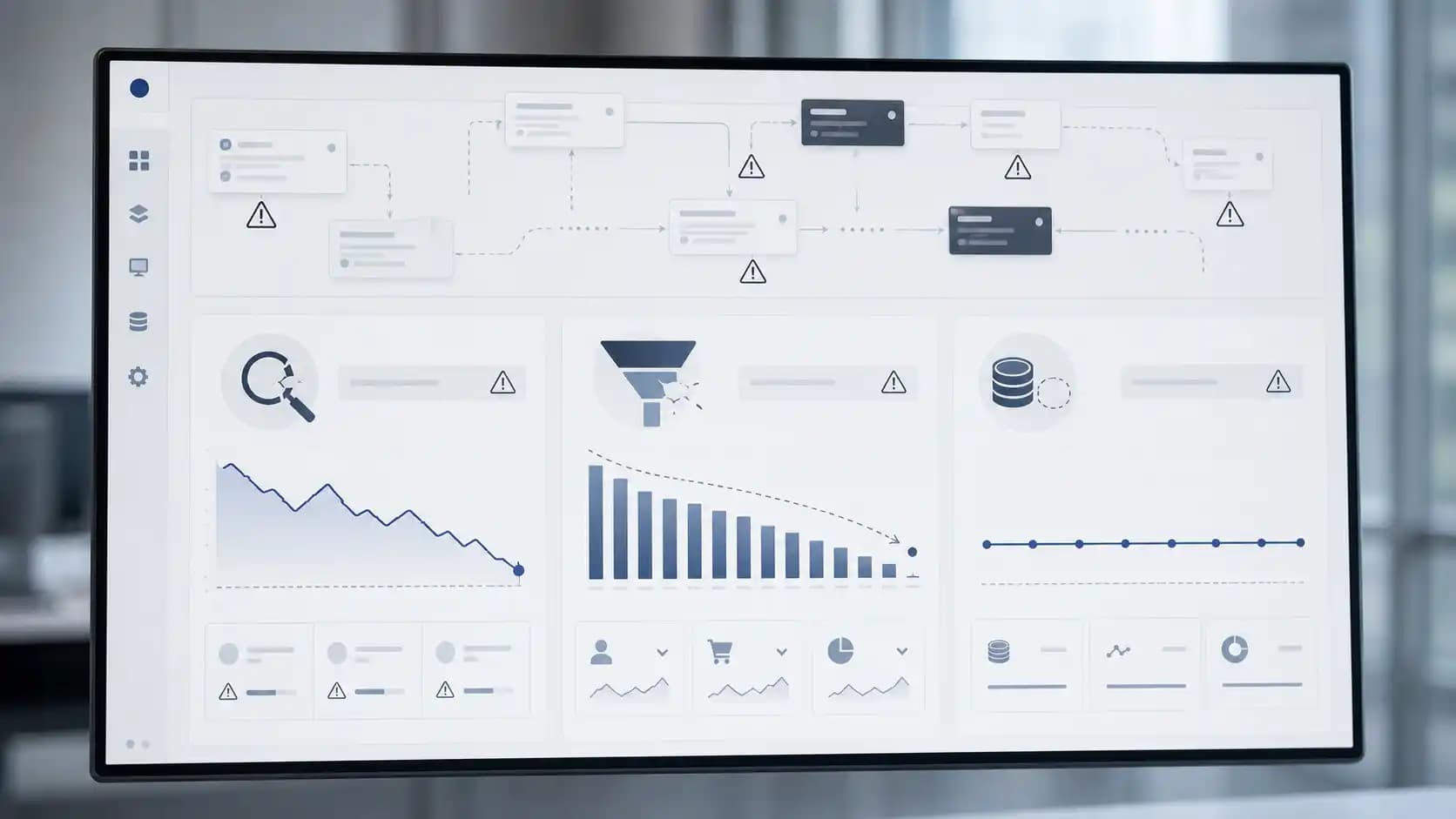
Technical debt rarely announces itself. It shows up as hesitation.
Engineers wait before touching a file. Product managers cut scope. Leaders stop trusting release dates.
- Change requests need extra review
- AI-generated code lacks business context
- Critical paths have no behavior tests
- Integration points are patched by hand
Architecture turns speed into control
The fix is not to ban AI from modernization. The fix is to give it rails.
Senior engineers decide the target shape first. Then AI helps move code toward that shape.
Senior ownership keeps the system human
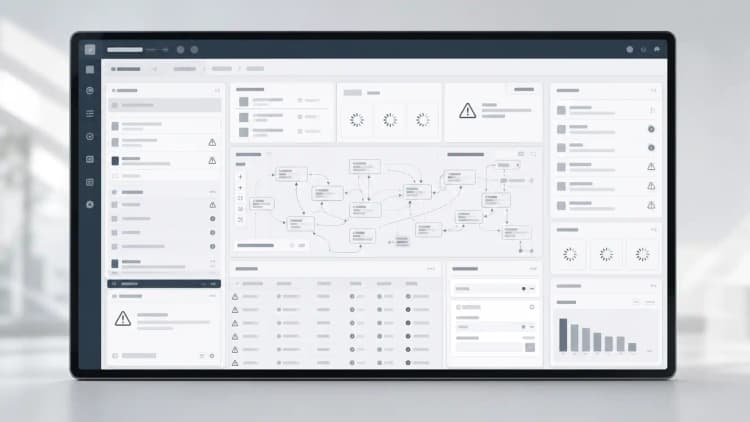
Modernization still needs judgment. Someone has to ask why the code exists, not just how to rewrite it.
That is how we run Build & Modernize. Small senior teams pair AI tools with clear architecture and compliance-ready delivery.
- Start with the workflow people fear changing
- Map business rules before code moves
- Add tests around high-risk paths
- Name the owner for each service
- Track time saved, cost avoided, and calmer releases
Closing view
You do not need to slow down to modernize well. You need speed that has a spine.
AI can write code fast. Architecture decides whether anyone trusts it next year.