An AI delivery partner checklist is no longer a nice extra. It is a risk screen.
If your vendor cannot check these 7 boxes, you are carrying their risk. The risk shows up later as missed dates, weak candidates, loose controls, and AI work no one owns.
The old buying model split technology and talent. The AI era punishes that split.
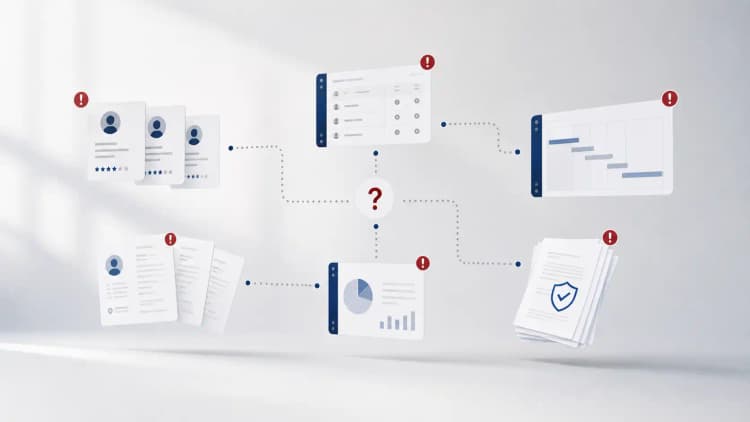
Vendor risk hides in the handoff
A staffing vendor may send resumes. A technology vendor may ship code.
AI delivery needs both sides to work together. If they do not, you become the project manager between them.
- Candidates pass interviews but cannot work inside AI delivery
- Delivery teams build tools without the right people to run them
- Compliance proof arrives after the work has already started
- No one owns the gap between scope, talent, and outcome

The 7 boxes belong in your RFP
A strong technology and talent partner should make risk visible before the contract is signed.
Use these 7 boxes as plain RFP language. They work for SMB buyers and Fortune 500 teams.
- Onshore delivery ownership with named leads
- AI-qualified candidates screened for real project work
- Agentic enablement skill for workflows, tools, and guardrails
- Compliance documentation before day one
- One owner for technology and talent delivery
- Security and data rules written in plain terms
- Proof from shipped work, not only pitch decks
Dual accountability changes the work
The better model is not two vendors and a weekly status call.
It is one accountable partner that can staff the team, shape the workflow, and own the delivery path.
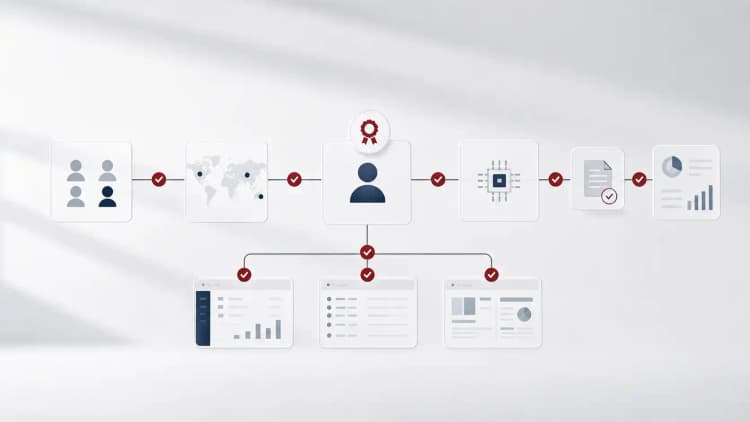
The checklist makes buying calmer
A good checklist does not slow buying down. It removes vague judgment.
You can compare vendors on the same proof. You can see who owns the hard parts before the work starts.
- Ask who owns delivery if the role changes midstream
- Ask how AI-qualified candidates are screened
- Ask where compliance evidence will live
- Ask which parts of the workflow the partner can automate
- Ask what happens when scope and staffing collide
Closing view
The AI era did not make vendor selection easier. It made weak handoffs more expensive.
A partner that cannot pass the checklist is not saving you money. They are handing you risk.